

It’s hard to imagine an adult life less ordinary than that of Diana, Princess of Wales. Global recognition. Beauty. Style. Scrutiny. Wealth. Enigma. Royalty: a Queen in the wings. And the explosive, all-consuming fame that made it impossible to miss, wherever you went.
Diana, who died 27 years ago this month, possessed another quality that has slowly become her most admired: her capacity to simply care, and to use her fame to make others care too.
In the 1980’s and 90’s people with leprosy endured near-complete ostracism, far worse than it is today. Villages, communities, families, even parents would abandon children out of misplaced fear that touch would cause contagion. In the wake of such fear injustice, discrimination and breaches of human rights followed. Discriminatory laws formalised and condoned much of it, and made mistreatment very difficult to address.
The medical community, though fully understanding the causes of the disease themselves, could not get the message through to people quickly or clearly enough:
Leprosy is curable.
Treating it early can mean a life less likely of leprosy-caused disability.
Leprosy can be made non contagious.
Touch alone does not spread it.
You do not need to abandon, shun or reject people with leprosy when they need you most.
What the Princess of Wales realised, ingeniously, was that the fame that she found so isolating could be used to restore community and relationships to some of the most isolated people in the world. Her empathy, born out of her own pain, drove her forward.
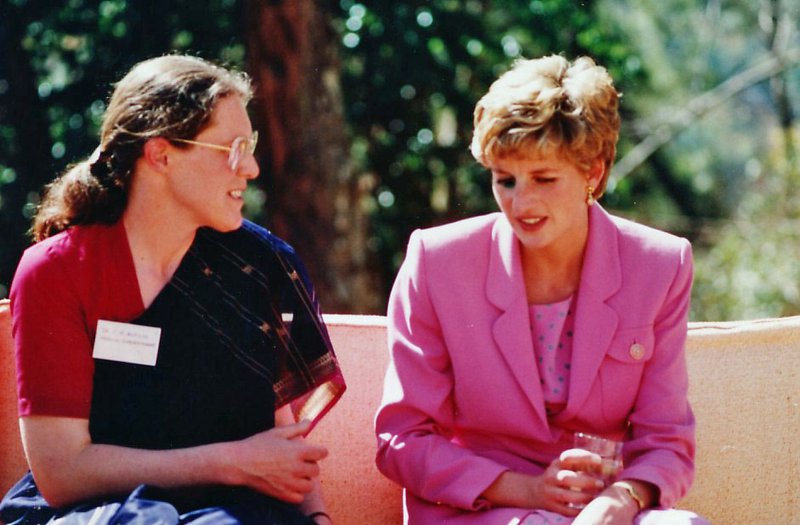
Over seven years Diana dedicated herself to the cause. She became a patron of The Leprosy Mission. She learned about the disease and its impacts. She worked with experts to identify how everyday people could reduce sufferers’ pain and isolation.
Then she modelled those behaviours herself, in front of the world’s cameras.
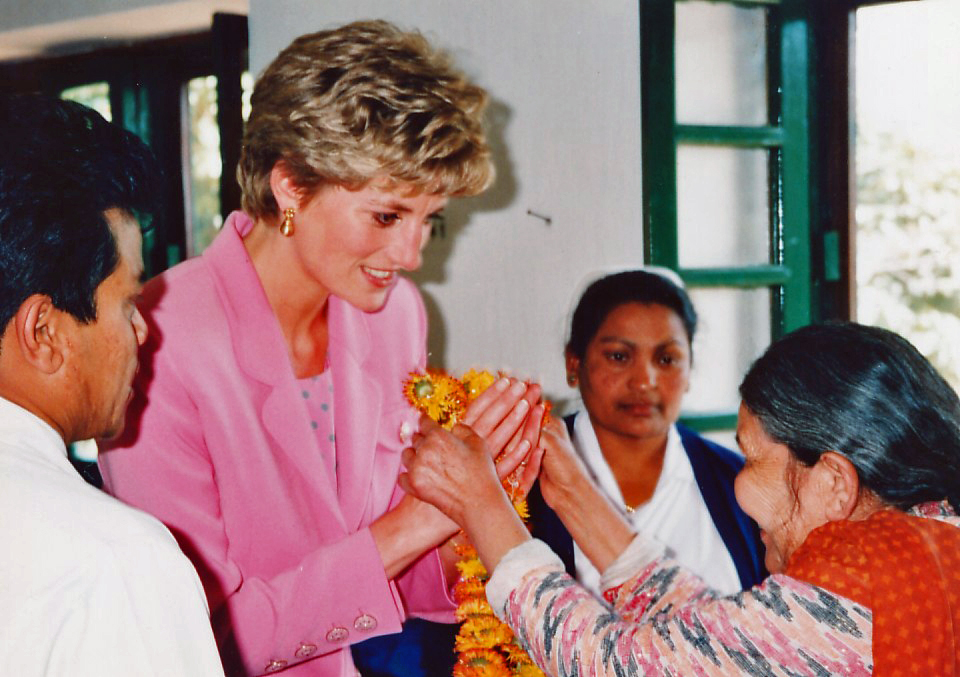
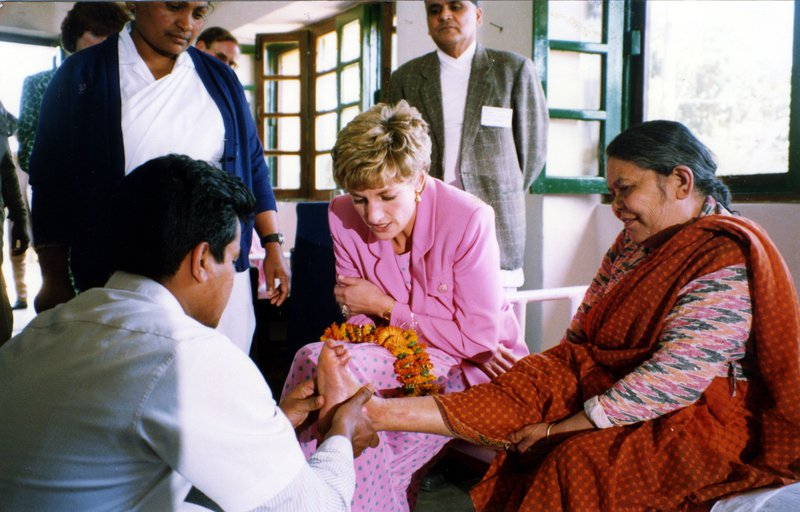
Dr Ruth Bautlin was a doctor in the Anandaban hospital, which Diana famously visited in Nepal.
She described the power of Diana’s kindness and simple gestures of respect.
“What was so noticeable was how unafraid she was.
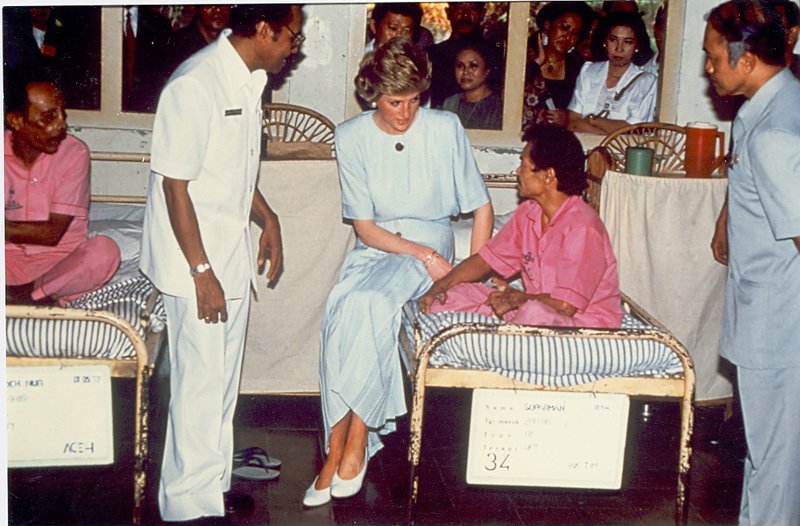
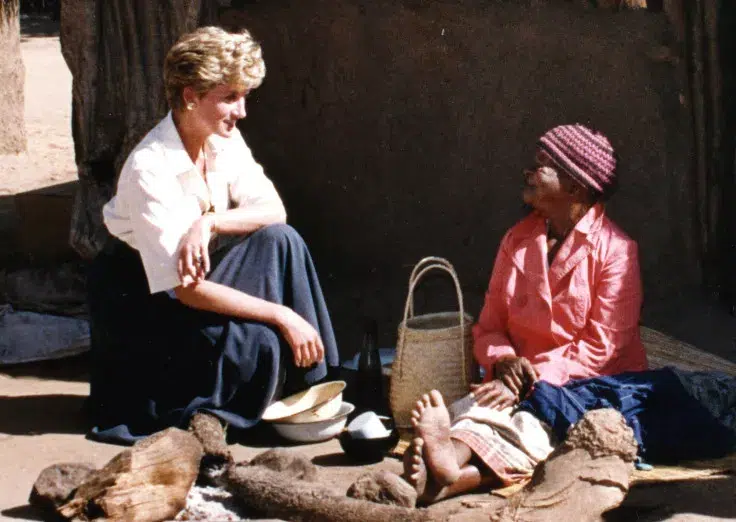
She showed no fear or revulsion when speaking to the patients. She held their hands and sat on their beds and asked questions.
“The patients valued her visit so much. They couldn’t believe that a foreign princess came to see them.
“At the time of her visit, there was a highly respected monarchy in Nepal and we couldn’t have imagined that any one of them would have made the same visit.
“She came across as a very genuine person and she knew that she could help so many charities to get more attention by visiting them, because whatever she did attracted attention.”
What Diana did went far beyond this, however.
“Seeing Diana with the patients was inspirational, she modelled how to treat leprosy patients in a kind and accepting way.
“She brought them out of the shadows and into the limelight with her, demonstrating kindness and acceptance.
“I was encouraged by her visit, as were all the staff.”
Diana’s insight – that an extraordinary public figure could model the simple ‘game-changing’ actions ordinary people could pick up – proved exceptionally powerful.
“Every one of us can make a difference, simply by caring, and choosing to show that we care for others in the ways that matter most,” says Dr Greg Clarke of The Leprosy Mission Australia.
“And for people with leprosy, especially children, and those who are elderly, disabled or experiencing homelessness, your care is priceless. Knowing someone cares is priceless.”
As we work towards Zero Leprosy by 2035, all of us can do our part to check our attitudes, promote helpful behaviours and push for legislative reform.
Author and pastor Carrie Lloyd described how, during a visit to see Mother Teresa, Diana decided to visit a local rehabilitation hospital, run by The Leprosy Mission Trust India.
Tabloids caught wind of the plan and highlighted the problem by running headlines like “Don’t Do It, Di”.
When she visited the next day, Diana, gloveless, held patients’ hands, touched their faces and allowed the paparazzi to capture it all.
As Carrie Lloyd told the ‘Storia’ podcast, “that blew the stigma off around the world.”
Carrie’s father, the late Tony Lloyd, was CEO of The Leprosy Mission England and Wales at the time. As he said when he called Kensington Palace,”What she’s done in five minutes, we’ve been trying to do for 120 years.”
Vale, Princess Diana, and thank you.
The Book ‘ Guarding Diana – Protecting the Princess Around the World’ is available through The Leprosy Mission Shop: https://shop.leprosymission.org.au/products/guarding-diana-protecting-the-princess-around-the-world


Subscribe to our newsletter and keep up-to-date with Leprosy Mission Australia
By clicking Subscribe you're confirming that you agree with our Terms and Conditions